
Recycling sounds simple until you actually have to decide what to do with unwanted materials. A plastic container, an old electronic device, a cardboard box, or leftover packaging may all require different disposal methods. Without clear information, people often put recyclable materials in the wrong bins or throw away items that could have been reused. This is where MataRecycler enters the conversation.
The name has attracted attention across websites discussing recycling, environmental awareness, and smart waste management. However, not every description available online tells the same story. Some sources present MataRecycler as an educational platform, while others describe it as an advanced recycling technology involving artificial intelligence and automated sorting.
Understanding this difference is important. This article examines what MataRecycler actually represents, what its website says about its purpose, how modern recycling technology works, and what readers should consider before trusting claims about recycling products or services. The goal is to separate verified information from assumptions while exploring practical ways to reduce waste and support a cleaner environment.
What Is MataRecycler?
MataRecycler is the name of an online platform focused on recycling information, environmental awareness, sustainable practices, and responsible waste management.
According to its About Us description, the platform aims to make recycling information accessible to individuals, businesses, and communities. It publishes educational material about recycling processes, reducing waste, reusing materials, and choosing environmentally responsible alternatives.
Its central message is straightforward: people can make a positive environmental difference through better everyday decisions.
However, there is an important distinction between the platform’s stated purpose and claims made by other websites.
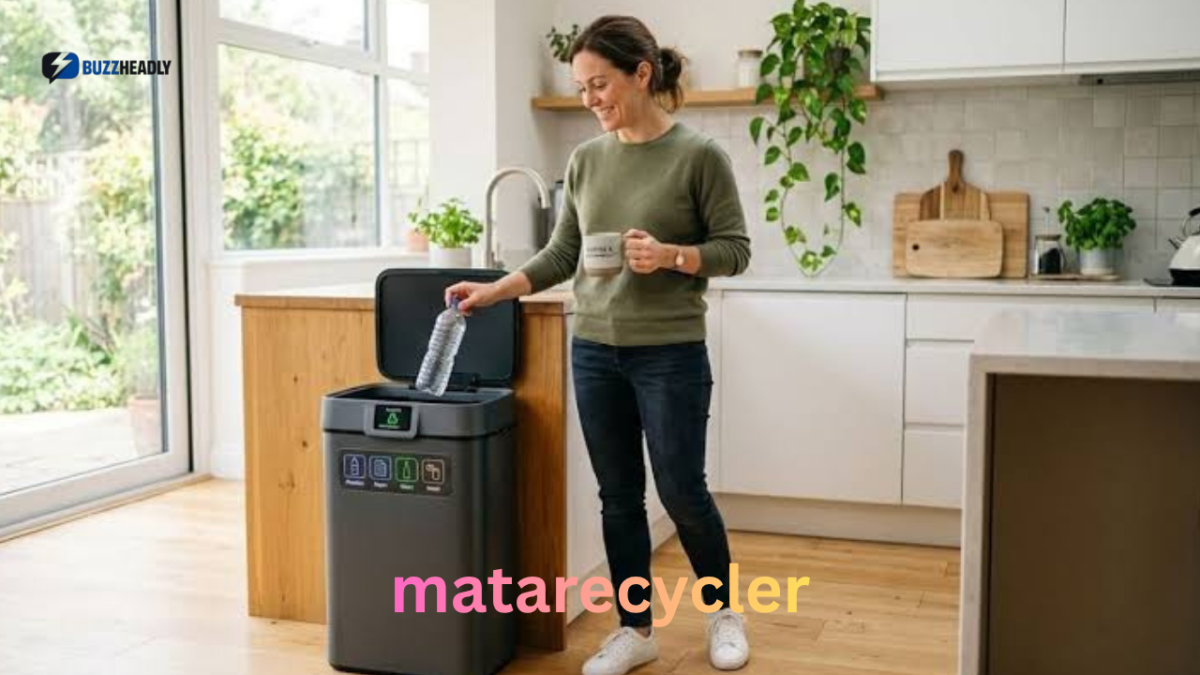
Some online articles describe MataRecycler as an AI-powered recycling machine or automated waste-management system. The available primary information does not establish that MataRecycler manufactures such equipment, operates recycling facilities, or owns a commercially verified AI sorting system. These descriptions should therefore be treated as unconfirmed rather than established facts.
The most accurate current description is an informational recycling and sustainability platform.
What Is the Main Purpose of MataRecycler?
The main purpose associated with MataRecycler is to encourage people to understand waste management and adopt more responsible habits.
Recycling is not simply about putting rubbish into separate containers. It involves understanding materials, local collection systems, processing methods, and opportunities to extend the useful life of products.
The platform’s stated objectives include several important areas.
1. Promoting Recycling Awareness
Many people want to recycle but do not know which materials their local facilities accept.
For example, a household might collect plastic bottles, cardboard packaging, and metal cans but mix them with contaminated food containers.
Recycling awareness helps people understand these differences and avoid common disposal mistakes.
2. Encouraging Waste Reduction
Reducing waste is often more effective than trying to recycle everything after it has been discarded.
Consider someone who purchases bottled water every day. Switching to a reusable bottle can reduce the number of disposable containers entering the waste stream.
Similarly, buying products with less packaging can prevent unnecessary waste before it is created.
3. Supporting Reuse
Many objects still have value after their original owners stop using them.
Old furniture can be repaired, unwanted clothes can be donated, and working electronic devices can sometimes be refurbished.
MataRecycler’s sustainability message supports this broader approach to responsible resource use.
4. Sharing Environmental Information
Accessible educational content can help people make informed decisions.
This is particularly useful for households, schools, small businesses, and community organizations that want to introduce better waste-management habits without complicated systems.
How Does Modern Recycling Technology Work?
Although MataRecycler itself is not verified as a manufacturer of automated recycling equipment, the technology described in some online discussions is based on real developments in the waste-management industry.
Modern recycling facilities increasingly use machinery, sensors, cameras, and software to identify and separate different materials.
Understanding these technologies helps readers distinguish genuine industry developments from unsupported product claims.
Automated Sorting Systems
Automated sorting equipment separates materials using different physical and technical properties.
For example:
- Magnets can separate certain ferrous metals.
- Optical sensors can identify different materials.
- Air jets can direct selected objects into separate collection areas.
- Conveyor belts move materials through sorting stages.
These systems can reduce some manual sorting requirements and improve processing efficiency.
Artificial Intelligence and Computer Vision
Computer vision allows software to analyze images and recognize objects or materials.
In a recycling facility, cameras can capture information about items moving along a conveyor belt. Software can then help identify different material categories.
Machine-learning systems may improve their recognition capabilities using training data.
However, performance depends on several factors, including lighting, contamination, object condition, material appearance, and the quality of the training data.
It would be inaccurate to assume that every recycling platform uses these technologies simply because its name appears in articles about smart recycling.
Data Collection and Monitoring
Digital monitoring can help recycling operators understand how much material enters a facility and how efficiently it is processed.
Useful measurements include:
- Total incoming waste.
- Quantity of recyclable materials recovered.
- Contamination levels.
- Equipment downtime.
- Processing costs.
- Amount of residual waste.
These measurements help organizations identify operational problems and make better decisions.
What Are the Benefits of Responsible Recycling?
Responsible recycling offers environmental, economic, and practical benefits.
Its value becomes clearer when people understand how waste affects everyday life.
Reducing Pressure on Landfills
Landfills require significant amounts of land and long-term management.
Separating suitable recyclable materials can reduce the quantity of waste sent for disposal.
This does not eliminate the need for landfills, but it can help reduce unnecessary demand for them.
Conserving Natural Resources
Many products are manufactured using materials obtained from natural resources.
Recycling suitable materials can reduce the need to extract and process additional raw materials.
For instance, recovering aluminium from used cans can require substantially less energy than producing aluminium from virgin raw materials.
Supporting Local Economic Activity
Recycling can create opportunities in collection, sorting, transportation, repair, refurbishment, and material processing.
Local recycling programs may also support small businesses that collect reusable materials or turn discarded products into new goods.
Encouraging Better Consumer Habits
Environmental awareness can influence purchasing decisions.
People who understand the consequences of unnecessary packaging may prefer reusable products or purchase only what they need.
Over time, these small decisions can help reduce household waste.
How Can Individuals Apply MataRecycler’s Sustainability Approach?
The most useful environmental ideas are those that people can apply consistently.
You do not need expensive equipment or complicated technology to improve your recycling habits.
Here are practical steps that can make a difference.
Step 1: Separate Waste at Home
Create separate containers for commonly accepted recyclable materials, general waste, and other special waste streams.
The exact categories depend on your local collection service.
Keep containers clearly labelled so everyone in the household understands where different items belong.
Step 2: Clean and Prepare Recyclables
Food residue and liquids can contaminate recyclable materials.
For example, an empty food container may need to be rinsed before it enters a recycling collection.
Follow local instructions because preparation requirements vary between facilities.
Step 3: Reuse Items Before Recycling
Before throwing something away, ask whether it still has a practical purpose.
Examples include:
- Reusing glass jars for storage.
- Donating wearable clothes.
- Repairing damaged furniture.
- Refilling suitable household containers.
- Passing working electronic devices to someone who needs them.
Reuse can extend a product’s useful life and delay the need for replacement.
Step 4: Handle Electronic Waste Separately
Electronic waste requires special attention.
Old phones, batteries, computers, and electrical equipment may contain materials that need controlled handling.
Never assume that electronic products belong in ordinary household recycling bins.
Use an authorized collection point or an appropriate take-back service where available.
Step 5: Encourage Community Participation
Recycling becomes more effective when households, schools, businesses, and local authorities cooperate.
A small community initiative could begin with labelled collection points, educational sessions, and regular collection arrangements.
The important part is establishing a reliable system rather than simply collecting waste without knowing where it will go.
MataRecycler vs. Traditional Recycling
It is useful to understand the difference between an educational recycling platform, conventional recycling, and automated recycling technology.
| Area | Traditional recycling | Automated recycling |
|---|---|---|
| Sorting | Manual and mechanical methods | Sensors and automated machinery |
| Identification | Human inspection and physical properties | Optical recognition and software |
| Monitoring | Manual records and operational reports | Digital data collection |
| Equipment | Collection bins and sorting machinery | Additional sensors and specialized systems |
| Main purpose | Recover reusable materials | Improve sorting and processing efficiency |
MataRecycler, based on its published description, is best understood as an informational platform rather than a verified participant in either equipment category.
This distinction prevents readers from confusing general recycling education with a specific industrial technology product.
Common Recycling Mistakes to Avoid
Even people with good environmental intentions can make mistakes when handling waste.
Understanding these problems can improve recycling results.
Mixing Different Materials Without Checking Local Rules
Not every recycling facility accepts the same materials.
Some locations accept certain plastic containers but reject other plastic products.
Always check local collection instructions instead of assuming that every item displaying a recycling symbol is accepted.
Recycling Contaminated Packaging
Food residue, grease, and liquids can affect the quality of recyclable materials.
Empty containers properly and follow the preparation instructions provided by the local recycling service.
Assuming Everything Can Be Recycled
Some mixed-material packaging, damaged products, and composite items are difficult to process.
A recycling symbol does not guarantee that a local facility can accept the item.
Ignoring Repair and Reuse
People sometimes send usable products for recycling when repairing, donating, or selling them would preserve more of their original value.
Consider reuse first whenever it is safe and practical.
Trusting Unsupported Environmental Claims
A website may describe a product as completely sustainable, highly efficient, or capable of eliminating waste.
These statements should be supported by measurable evidence.
Look for independently verified performance data, clear technical documentation, and transparent information about the actual environmental impact.
Is MataRecycler a Real Company or an AI Recycling Product?
This is an important question because online descriptions of MataRecycler are inconsistent.
The existence of MataRecycler.com and its published About Us page can be verified. That page describes an educational platform dedicated to recycling information and sustainability.
However, the available information does not independently establish its legal ownership, registered business status, manufacturing operations, or a commercially available AI recycling machine.
Some third-party articles use more ambitious descriptions, mentioning smart bins, sensors, automated sorting, and artificial intelligence. These claims should not be presented as confirmed MataRecycler features without independent documentation.
There is also a difference between a website’s existence and the verification of the organization behind it.
Anyone considering a business relationship, purchase, investment, or technical partnership should request:
- The organization’s registered legal name.
- Verifiable business contact information.
- Product specifications, if equipment is being offered.
- Independent testing or performance reports.
- Customer references or documented installations.
- Clear commercial and service agreements.
This approach protects readers from confusing general environmental information with a verified commercial service.
Three Important Insights About MataRecycler and Recycling
1. Better Waste Data Can Be More Valuable Than More Recycling Bins
Communities often focus on purchasing additional bins without first understanding their waste patterns.
A simple waste audit can reveal which materials are generated most frequently, where contamination occurs, and which collection points are poorly used.
This information can help communities invest in the right improvements instead of spending money on unnecessary equipment.
2. Reuse Can Preserve More Value Than Recycling
Recycling generally involves collecting and processing materials to recover usable resources.
Repairing a working product or passing it to another user may preserve more of the original energy, labour, and manufacturing effort.
For example, donating a functional laptop can be more resource-efficient than dismantling it immediately for material recovery.
3. Technology Cannot Fix Poor Recycling Habits on Its Own
Even an advanced sorting machine cannot solve every waste-management problem.
Incorrect disposal, contaminated materials, inadequate collection infrastructure, and weak markets for recovered materials can all limit recycling performance.
Successful waste management requires cooperation between technology, public education, businesses, and local authorities.