
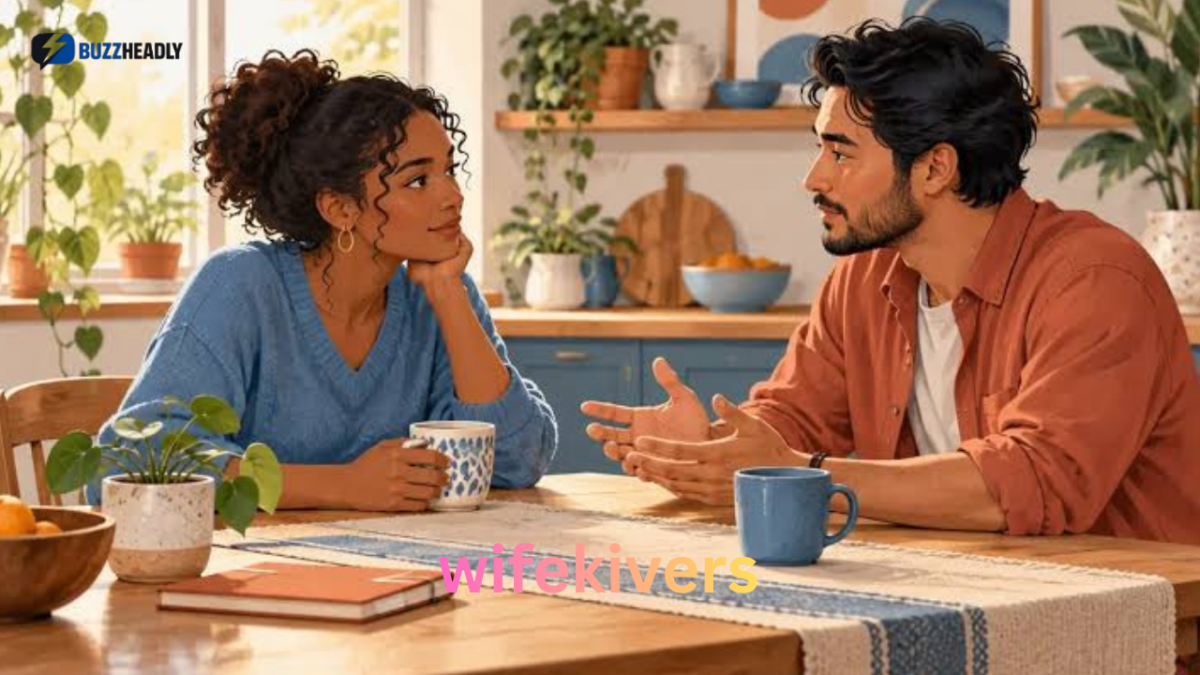

The internet constantly introduces unfamiliar words, expressions, and search terms that can leave people wondering what they actually mean. Wifekivers is one such term that may appear in online searches, discussions, or user-generated content. When a word does not have an immediately clear definition, understanding its context becomes especially important.
Before drawing conclusions, it helps to consider how unfamiliar internet terminology develops, how spelling variations influence search results, and why the same expression can be interpreted differently across online communities.
This article explores the term, its possible interpretations, the importance of search context, and practical ways to investigate unfamiliar expressions. It also explains how readers can distinguish an established definition from an informal usage or a possible spelling mistake.
What Does Wifekivers Mean?
Wifekivers is an informal internet expression commonly used to describe someone who demonstrates caring, loyal, thoughtful, and dependable behavior in a romantic relationship.
In simple terms, it refers to a person who makes their partner feel valued through consistent actions rather than occasional romantic gestures.
Someone described using this expression might demonstrate qualities such as:
- Loyalty: Remaining honest and committed to the relationship.
- Emotional support: Listening and offering encouragement during difficult situations.
- Thoughtfulness: Remembering important details and showing consideration.
- Reliability: Keeping promises and taking responsibility.
- Respect: Understanding personal boundaries and individual differences.
- Communication: Discussing problems openly rather than avoiding difficult conversations.
For example, imagine someone has a stressful week at work. Their partner notices the change in mood, offers support, listens without judgment, and helps with everyday responsibilities. These small actions reflect the kind of behavior that people commonly associate with the expression.
The important point is that the term describes relationship behavior, not someone’s legal marital status.
Is Wifekivers a Real English Word?
Wifekivers appears in online articles and discussions, but it is not an established English dictionary word.
It is better classified as informal internet slang or a newly coined expression. Unlike familiar words such as “wife,” “partner,” and “commitment,” it does not have a standardized definition accepted by major dictionaries.
There are several things worth understanding:
- It has no confirmed formal linguistic definition.
- Its exact origin has not been independently established.
- Different online explanations use slightly different interpretations.
- It is not a recognized psychological or relationship classification.
This distinction matters because repeated appearances in search results do not automatically make an expression an established word.
A term can become searchable through online discussions and explanatory articles even when its everyday use remains relatively limited.
Where Did the Term Originate?
The exact origin of wifekivers remains uncertain. There is no reliably documented first creator, original post, or confirmed date of introduction.
Some online explanations associate the expression with social media platforms and relationship discussions. However, claims that a particular platform created it should be treated cautiously unless an original post or other reliable evidence supports that statement. jillykay+2
Understanding Its Possible Word Formation
The first part, “wife,” is familiar and generally associated with marriage, partnership, and long-term commitment.
The ending, “kivers,” is less clear. There is no established independent definition that explains its role in the expression.
Some writers interpret the complete word as a playful internet creation connected with caring and devoted partner behavior. That interpretation is plausible, but it does not establish the word’s actual linguistic origin.
This is an important distinction between interpreting a word and proving where it came from.
Why New Internet Expressions Appear
Online communities regularly create unusual expressions to communicate ideas in a shorter or more entertaining way.
New terminology can develop through:
- Social media captions and comments.
- Online relationship discussions.
- Memes and humorous conversations.
- Personal blogs and digital publications.
- Informal conversations between friends.
Some expressions become widely recognized, while others remain limited to particular communities.
How Is Wifekivers Used in Relationships?
In relationship-related content, the expression generally communicates appreciation for someone who demonstrates dependable and emotionally supportive behavior.
However, its meaning can change depending on the conversation.
As a Romantic Compliment
Someone might use the expression to praise a partner who consistently demonstrates kindness, loyalty, and responsibility.
For example, a person who remembers an important appointment, supports their partner during a difficult period, and contributes equally to everyday responsibilities may be described positively using this term.
As a Description of Long-Term Commitment
The expression can also be connected with qualities people value in a long-term relationship.
These include:
- Mutual trust.
- Emotional maturity.
- Shared responsibilities.
- Respectful communication.
- Consistent affection.
- Willingness to resolve disagreements.
These characteristics are not limited to married couples. They can also exist in dating relationships and other committed partnerships.
As a Joke or Social Media Expression
Internet language is not always used seriously.
Someone might use wifekivers humorously in a caption, comment, or conversation to exaggerate how caring or devoted another person appears.
Therefore, readers should consider the surrounding conversation before assuming that the expression has a serious romantic meaning.
Wifekivers vs. Wife Material: What Is the Difference?
Although these expressions may sound related, they do not communicate exactly the same idea.
“Wife material” is a familiar informal expression used to describe someone considered suitable for marriage. Wifekivers, in its commonly reported online interpretation, focuses more on caring and dependable behavior within a relationship.
| Expression | Common meaning |
|---|---|
| Wifekivers | Caring and supportive partner behavior |
| Wife material | Someone considered suitable for marriage |
| Wifey | Informal affectionate reference to a wife or romantic partner |
| Life partner | Someone with whom a person shares a long-term commitment |
| Green flags | Positive characteristics in a relationship |
The difference is particularly important when discussing relationships.
A person can demonstrate kindness, loyalty, and emotional maturity without necessarily wanting marriage. Similarly, someone can be married without automatically demonstrating every quality associated with a healthy partnership.
The behavior matters more than the label.
Important Qualities Associated With Wifekivers
Although the expression has no formal definition, its commonly reported meaning highlights several qualities that contribute to healthy relationships.
Emotional Availability
Emotional availability means being willing to listen, communicate, and understand a partner’s feelings.
It does not mean agreeing with everything. Instead, it involves creating an environment where both people can discuss their concerns without feeling ignored or dismissed.
Consistency Over Grand Gestures
A relationship is not built through expensive gifts or occasional romantic surprises alone.
Small, consistent actions often have greater long-term importance. Checking in after a difficult day, remembering an important conversation, and keeping promises can gradually strengthen trust.
Mutual Respect
Respect means recognizing that both partners have individual interests, opinions, friendships, and personal boundaries.
A supportive relationship should allow both individuals to maintain their identities rather than expecting one person to sacrifice everything.
Shared Responsibility
Healthy partnerships involve cooperation.
Household tasks, financial discussions, planning, and emotional responsibilities should not automatically fall on one person. Sharing these responsibilities creates a more balanced relationship.
Is Wifekivers Only Associated With Women?
Despite the word’s connection with “wife,” the expression is sometimes used more broadly to describe caring and dependable romantic partners regardless of gender.
However, because it is informal internet slang, there is no official rule governing its use.
Some people associate it specifically with feminine qualities, while others use it as a general compliment for any partner who demonstrates commitment and emotional support.
It is therefore important to understand the context rather than assume that the expression has one universally accepted meaning.
Common Misunderstandings About Wifekivers
Unfamiliar internet expressions can easily be misunderstood, especially when different websites explain them differently.
Here are some common misconceptions worth avoiding.
It means someone is ready for marriage. Not necessarily. The commonly reported interpretation concerns relationship behavior rather than a person’s willingness to get married.
It describes a perfect partner. No relationship is perfect. People make mistakes, disagree, and experience difficult periods. Consistent effort matters more than perfection.
It means sacrificing personal needs. Caring for someone should not require abandoning personal boundaries, independence, or emotional well-being.
It is a psychological term. Wifekivers is not a recognized psychological diagnosis, personality type, or scientific relationship category.
It has a confirmed social media origin. Its exact origin and first documented use remain uncertain.
How to Recognize Healthy Partner Behavior in Everyday Life
Rather than focusing too much on unfamiliar labels, it is more useful to recognize the actions that contribute to a healthy relationship.
Consider these practical examples:
- During disagreements: Both partners listen and try to understand each other’s perspectives instead of using insults or manipulation.
- During stressful periods: They offer support without making the other person feel guilty for experiencing difficulties.
- When making decisions: They discuss important matters and consider each other’s opinions.
- In everyday responsibilities: They contribute fairly rather than expecting one person to manage everything.
- When mistakes happen: They acknowledge their actions and make genuine efforts to improve.
One less obvious but important distinction is that consistency should not be confused with constant availability. A healthy partner can need personal space, time alone, and independent interests while still being committed.
Another useful consideration is whether caring behavior continues when there is nothing to gain from it. Genuine respect and reliability are usually demonstrated through ordinary interactions, not just situations where someone wants approval.
Frequently Asked Questions
What does wifekivers mean in simple English?
Wifekivers is informal internet slang generally associated with someone who is caring, loyal, thoughtful, and dependable in a romantic relationship. It describes positive partner behavior rather than an official relationship status. Its exact meaning can vary depending on the context.
Is wifekivers an official dictionary word?
No, it is not an established standard English dictionary word. It is generally presented as an informal online expression. Its exact linguistic origin and formal definition have not been verified.
Where did wifekivers originate?
Its precise origin is unknown. Some online articles connect it with social media and modern relationship discussions, but no reliable evidence establishes a specific creator or original post. Claims about its exact starting date should therefore be treated cautiously.
Can men also be described as wifekivers?
Some online explanations use the expression for caring and supportive partners of any gender. However, its informal nature means that usage varies between communities. The intended meaning is best understood from the surrounding conversation.
Is wifekivers the same as wife material?
Not exactly. Wife material generally describes someone considered suitable for marriage, whereas wifekivers is commonly explained through caring, loyal, and dependable relationship behavior. The expressions overlap in some interpretations but are not interchangeable.
Is wifekivers a psychological relationship term?
No, it is not a recognized psychological concept, diagnosis, or personality classification. Although the behaviors associated with it overlap with qualities discussed in relationship research, the expression itself is informal internet slang.
Conclusion
Wifekivers is an unusual internet expression commonly associated with loyalty, emotional support, thoughtfulness, and dependable behavior in romantic relationships. Although it has appeared in online discussions and explanatory articles, it does not have an established dictionary definition or a verified origin.
Its most useful interpretation focuses on everyday actions that help build trust and strengthen relationships. Listening, respecting boundaries, sharing responsibilities, and keeping promises are more meaningful than any fashionable relationship label.
Ultimately, a healthy partnership is defined by mutual respect, genuine care, and consistent effort. Whether people use this particular expression or more familiar language, these qualities remain important in building lasting connections.