
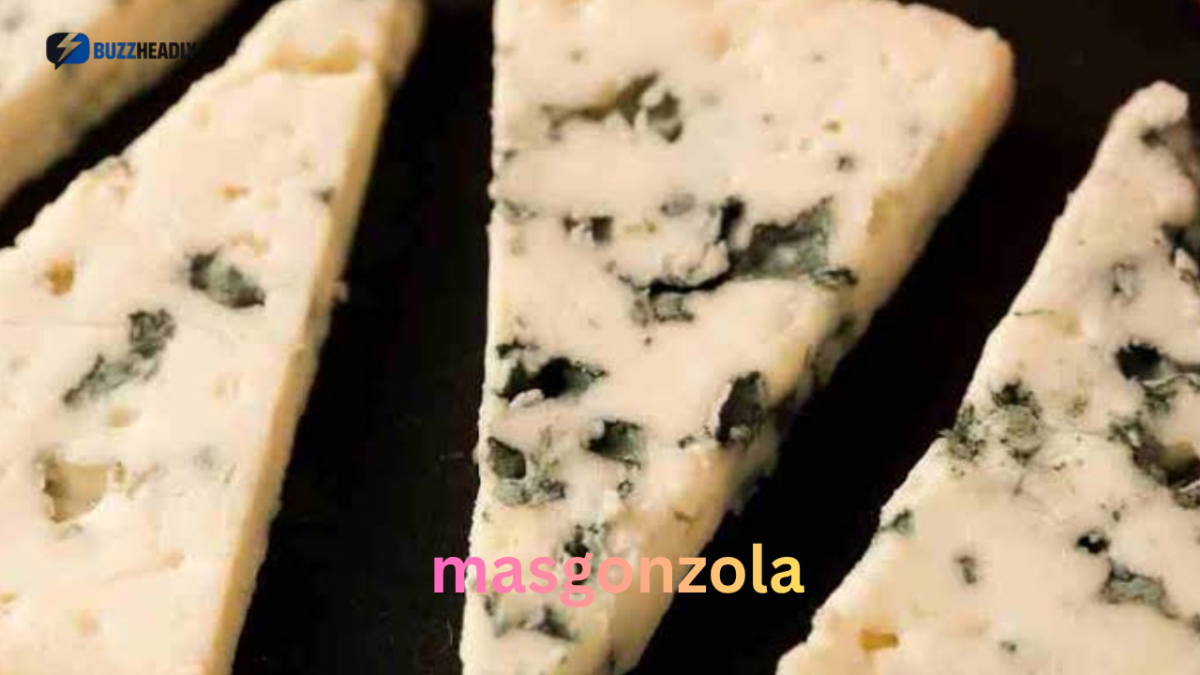

Have you ever come across the word Masgonzola while exploring Italian food, searching for unusual cheese varieties, or looking for something different to add to a recipe? The name may sound familiar to anyone who enjoys creamy Italian cheeses, particularly Gorgonzola, but understanding exactly what Masgonzola refers to requires a little closer attention.
Masgonzola is not a widely established or officially recognised Italian cheese category in standard culinary references. The term may be a variation, a misspelling, a niche product name, or a name used in a particular food-related context. This distinction matters because not every unfamiliar cheese name represents a traditional product with a documented origin or standardised production method.
In this guide, we explore what Masgonzola may mean, how it relates to Gorgonzola, what makes traditional Italian blue cheese distinctive, and how to identify the product you are actually looking for. Whether you are a curious food enthusiast, a home cook, or someone researching Italian cheese terminology, this article will help you separate established culinary facts from assumptions.
What Is Masgonzola?
Masgonzola is a term that does not appear to have a widely documented identity as a traditional Italian cheese.
One possible explanation is that it is a variation or misspelling of Gorgonzola, one of Italy’s most recognisable blue cheeses. Another possibility is that it refers to a local commercial product, a speciality food name, or a term used in a particular online discussion.
Without a verified manufacturer, product label, or reliable description, it would be inaccurate to claim that Masgonzola has a specific recipe, geographical origin, or production process.
For anyone encountering the term, the most useful approach is to investigate its context.
Consider these possibilities:
- A spelling variation: The intended word may be Gorgonzola.
- A product name: A small producer or retailer may use Masgonzola as a commercial name.
- A food-related search term: It may appear in discussions about Italian cheese, recipes, or speciality ingredients.
- A local expression: The word could have a meaning within a particular culinary community.
Understanding the context is more useful than automatically treating every unfamiliar cheese name as an established variety.
Understanding Gorgonzola: The Closest Recognised Cheese
To understand the possible connection with Masgonzola, it helps to know about Gorgonzola.
Gorgonzola is a traditional Italian blue cheese made from cow’s milk. It is named after Gorgonzola, a town in the metropolitan area of Milan, in northern Italy.
The cheese is recognised for its creamy texture, distinctive blue-green veining, and flavour that can range from mild and buttery to sharp and savoury.
It is protected under the European Union’s Protected Designation of Origin (PDO) system. This means that genuine Gorgonzola must follow specific production and geographical requirements.
How Is Gorgonzola Made?
Traditional Gorgonzola production involves several carefully controlled stages.
1. Milk preparation
Cow’s milk is prepared for cheesemaking under controlled conditions.
2. Starter cultures
Selected bacterial cultures are introduced to help develop acidity, texture, and flavour.
3. Coagulation
Rennet is used to help the milk form curds.
4. Mould development
Penicillium mould cultures contribute to the characteristic blue-green veins associated with Gorgonzola.
5. Salting and ageing
The cheese is salted and matured under controlled conditions. During ageing, the mould develops throughout the cheese, helping create its distinctive appearance and flavour.
6. Piercing
Small holes are made in the cheese to allow oxygen to enter. This supports the development of the blue veining.
The final product is a cheese with a complex balance of creaminess, saltiness, and characteristic blue-cheese flavour.
What Are the Different Types of Gorgonzola?
Gorgonzola is generally available in two major styles: Dolce and Piccante.
Although both belong to the same protected cheese category, they offer noticeably different eating experiences.
Gorgonzola Dolce
Gorgonzola Dolce is the softer and milder version.
Its main characteristics include:
- Creamy, almost spreadable texture.
- Mild, slightly sweet flavour.
- Gentle blue-cheese aroma.
- Soft consistency that works well in sauces and spreads.
It is an excellent choice for people who are new to blue cheese.
For example, if you are preparing a creamy pasta sauce and want a cheese that melts easily without dominating every other ingredient, Gorgonzola Dolce is often a suitable option.
Gorgonzola Piccante
Gorgonzola Piccante has a firmer texture and stronger flavour.
Its characteristics include:
- More pronounced blue-cheese taste.
- Firmer and sometimes crumbly texture.
- Stronger aroma.
- More intense savoury and salty notes.
It works particularly well in dishes where the cheese needs to remain noticeable.
For instance, a small amount can add considerable flavour to risotto, roasted vegetables, or a cheese board.
Dolce vs. Piccante: Which Should You Choose?
| Feature | Gorgonzola Dolce | Gorgonzola Piccante |
|---|---|---|
| Texture | Soft and creamy | Firmer and crumbly |
| Flavour | Mild | Strong and intense |
| Aroma | Relatively gentle | More pronounced |
| Best use | Sauces and spreads | Risotto and cheese boards |
| Ideal for | Blue-cheese beginners | Experienced blue-cheese lovers |
The best choice depends on your personal taste and the dish you are preparing.
What Does Gorgonzola Taste Like?
Gorgonzola has a distinctive flavour that is difficult to confuse with ordinary cheddar or mozzarella.
However, its taste changes depending on the style, ageing, and production conditions.
Gorgonzola Dolce usually offers creamy, buttery, slightly sweet notes with a gentle tang.
Gorgonzola Piccante is generally sharper, saltier, and more complex.
Some people notice earthy, mushroom-like, or nutty characteristics, while others primarily experience its strong savoury flavour.
An interesting detail is that the blue veins are not simply decorative. The mould contributes to the cheese’s flavour development, helping create compounds that influence its aroma and texture during maturation.
This is why blue cheese can taste significantly different from a standard fresh cheese even when both are made from cow’s milk.
How Can You Use Gorgonzola in Everyday Cooking?
One reason Gorgonzola remains popular is its versatility.
A small quantity can transform a simple meal because the cheese provides a concentrated combination of saltiness, creaminess, and savoury flavour.
Here are several practical ways to use it.
1. Creamy Gorgonzola Pasta
Gorgonzola works particularly well in pasta sauces.
To prepare a simple version:
- Cook your preferred pasta.
- Warm a small amount of cream in a saucepan.
- Add crumbled Gorgonzola Dolce.
- Stir gently until the cheese melts.
- Add black pepper and a little pasta water.
- Mix with the cooked pasta.
Avoid overheating the sauce. Excessive heat can cause the fat and liquid to separate, producing a greasy texture.
2. Gorgonzola Risotto
A small amount of Gorgonzola can add depth to a traditional risotto.
Prepare the rice using warm stock, adding liquid gradually while stirring. Once the rice is cooked, remove the pan from the heat and mix in a little Gorgonzola.
Adding the cheese near the end helps preserve its creamy texture.
3. Pizza Topping
Gorgonzola is an excellent topping for people who enjoy stronger cheese flavours.
It pairs particularly well with:
- Caramelised onions.
- Mushrooms.
- Pear slices.
- Walnuts.
- Mozzarella.
Use it in moderation because its flavour can easily overpower milder ingredients.
4. Salads and Sandwiches
Crumbled Gorgonzola can add an interesting contrast to fresh vegetables and fruit.
Try combining it with:
- Pears.
- Apples.
- Walnuts.
- Rocket leaves.
- Balsamic dressing.
For sandwiches, a small amount of soft Gorgonzola can replace stronger spreads and create a rich, savoury filling.
What Foods Pair Well With Gorgonzola?
Pairing blue cheese successfully is about balancing its intense flavour.
Sweet, acidic, crunchy, and fresh ingredients can all help create a more balanced eating experience.
Fruit Pairings
Pears and apples are particularly popular because their natural sweetness complements the salty character of blue cheese.
Figs and grapes are also suitable choices.
Nuts
Walnuts, hazelnuts, and pecans provide crunch and earthy flavours.
Toasted walnuts are especially useful in salads and cheese boards.
Honey
A small drizzle of honey can soften the strong taste of Gorgonzola.
This combination works particularly well as part of a simple appetiser.
Wine and Other Drinks
Gorgonzola can pair well with certain sweet wines, particularly when served as part of a cheese course.
For non-alcoholic options, sparkling water, apple-based drinks, and lightly flavoured beverages can help refresh the palate.
One useful serving tip is to avoid presenting blue cheese directly from a very cold refrigerator. Allowing it to rest briefly at a safe room temperature before serving can make its aroma and texture easier to appreciate.
Is Gorgonzola Healthy?
Gorgonzola provides several nutrients, but its nutritional value should be considered alongside its fat and sodium content.
Depending on the specific product, it may contain:
- Protein.
- Calcium.
- Phosphorus.
- Vitamin B12.
- Vitamin A.
- Dietary fat.
Calcium and protein are important for normal bodily functions, including bone maintenance and tissue repair.
However, Gorgonzola is also relatively rich in saturated fat and salt.
For this reason, portion size matters.
A small amount can provide plenty of flavour without requiring a large serving. People managing high blood pressure, cholesterol levels, or specific dietary restrictions should consider the nutritional label and seek personalised dietary advice when necessary.
Is Blue Cheese Safe to Eat?
Commercially produced Gorgonzola is made under controlled food safety and maturation conditions.
However, people who are pregnant, immunocompromised, or otherwise at increased risk from foodborne illness should follow current food safety guidance.
Soft blue cheeses may carry additional risks depending on whether they are made with pasteurised or unpasteurised milk and how they are prepared.
Cooking cheese thoroughly can reduce certain food safety risks, but it is important to follow relevant medical and public health recommendations rather than assuming every cooked cheese dish is automatically safe.
How to Store Gorgonzola Properly
Correct storage helps maintain the cheese’s texture, flavour, and quality.
Follow these practical steps:
- Keep Gorgonzola refrigerated.
- Store it in suitable cheese paper or food-safe wrapping.
- Place it in a sealed container to prevent strong aromas from spreading.
- Avoid leaving it at room temperature for extended periods.
- Follow the manufacturer’s use-by date and storage instructions.
A useful but often overlooked tip is to avoid wrapping blue cheese too tightly in ordinary plastic for long periods. Cheese needs appropriate storage conditions to maintain its texture without becoming excessively wet.
If the cheese develops unusual discolouration, an unpleasant smell inconsistent with its normal character, or signs of spoilage, do not assume that all changes are simply part of blue-cheese maturation.
Common Mistakes When Researching Masgonzola
Because Masgonzola is not a widely established cheese category, it is easy to encounter misleading information.
Here are some mistakes worth avoiding.
Assuming It Is an Official Italian Cheese
Do not automatically accept claims that Masgonzola has a protected Italian origin or traditional production method.
Look for reliable manufacturer information and recognised food classifications.
Confusing It With Gorgonzola
The similar spelling may suggest a connection, but similarity alone does not establish that both names refer to the same product.
Trusting Unverified Product Descriptions
Online listings may contain spelling errors or inaccurate product details.
Check the packaging, ingredients, producer, and product description before purchasing.
Expecting Every Blue Cheese to Taste the Same
Different blue cheeses have different mould cultures, production methods, ageing periods, and flavour profiles.
Even Gorgonzola Dolce and Piccante provide noticeably different experiences.
FAQ
1. What is Masgonzola cheese?
Masgonzola is not a widely recognised or officially documented traditional Italian cheese variety. The term may be a spelling variation, a niche commercial product name, or a reference to Gorgonzola. Its exact meaning depends on where the word appears. Checking the original product or source is the best way to identify it accurately.
2. Is Masgonzola the same as Gorgonzola?
There is not enough reliable information to establish that Masgonzola is a recognised alternative name for Gorgonzola. Gorgonzola is an established Italian blue cheese with protected geographical status. If you encounter Masgonzola on a product label, check its manufacturer and ingredients before assuming the two are identical.
3. What does Gorgonzola cheese taste like?
Gorgonzola generally has a creamy, salty, and savoury flavour with distinctive blue-cheese characteristics. The Dolce variety is milder and softer, while Piccante is firmer and more intense. Depending on the ageing and production process, it may also have earthy, nutty, or slightly sweet notes.
4. How is Gorgonzola different from other blue cheeses?
Gorgonzola is an Italian blue cheese with specific geographical and production requirements. Other blue cheeses, such as Roquefort and Stilton, have their own origins, milk requirements, and production traditions. Their textures and flavours can differ considerably, even though all contain characteristic blue mould development.
5. Can you cook with Gorgonzola cheese?
Yes, Gorgonzola works well in pasta sauces, risotto, pizza, salads, and various appetisers. Dolce is particularly useful for creamy sauces, while Piccante adds a stronger flavour to dishes. For the best texture, add it carefully and avoid excessive heating.
6. How should Gorgonzola be stored?
Keep Gorgonzola refrigerated and follow the storage instructions on its packaging. Cheese paper or suitable food-safe wrapping can help maintain its quality, while a sealed container can prevent its aroma from affecting other foods. Always observe the use-by date and discard cheese that shows signs of spoilage.
Conclusion
Masgonzola is an intriguing food-related term, but it should not automatically be treated as an established Italian cheese variety. Its possible connection with Gorgonzola makes understanding traditional Italian blue cheese a useful starting point.
Gorgonzola stands out for its creamy texture, distinctive blue veining, and versatility in everyday cooking. Whether you prefer the mild Dolce variety or the stronger Piccante version, it can add character to pasta, risotto, salads, and cheese boards.
The most important takeaway is to verify unfamiliar food names before relying on product descriptions or making purchasing decisions. A little attention to the producer, ingredients, and recognised food classifications can help you discover exactly what you are buying and enjoy it with greater confidence.