
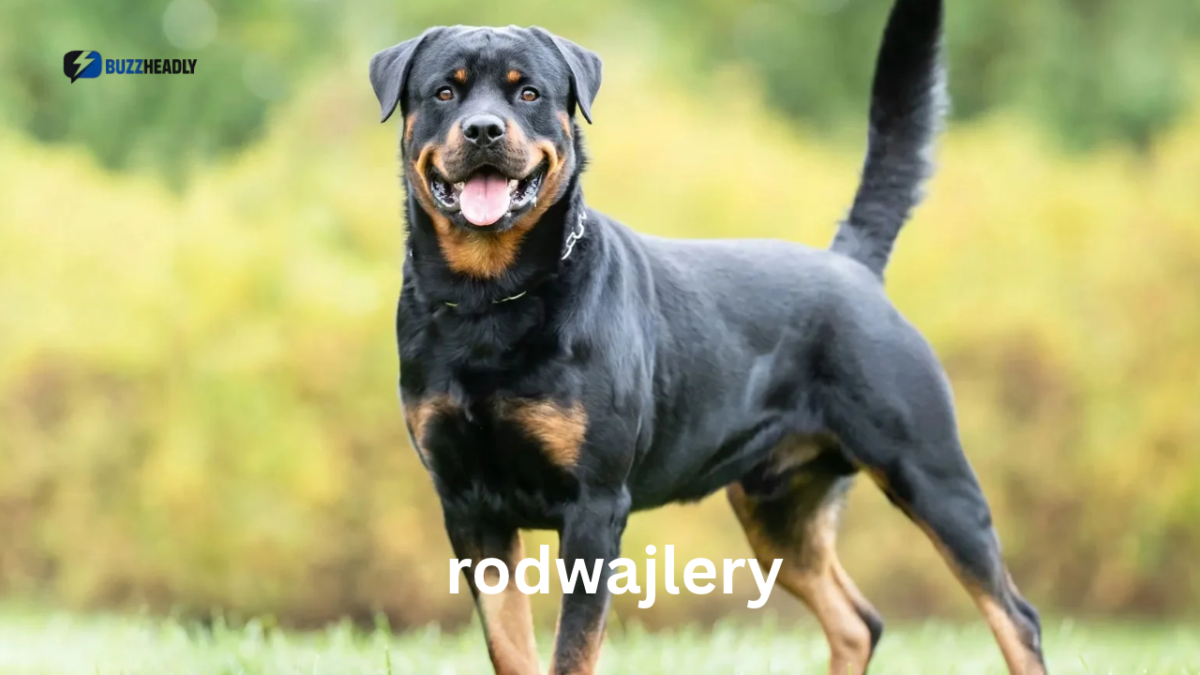

If you have come across the word Rodwajlery, you may be wondering whether it describes a special dog breed or simply refers to the well-known Rottweiler. The unusual spelling can create confusion, especially for people researching powerful family dogs, protective companions, or working animals. In most online contexts, Rodwajlery is associated with the Rottweiler, a muscular German dog known for its intelligence, confidence, loyalty, and protective instincts.
Understanding this breed requires more than looking at its impressive appearance. Rottweilers have specific exercise requirements, training needs, socialization habits, and healthcare considerations. They can become affectionate and dependable family companions, but their size and strength make responsible ownership particularly important.
This guide explains what Rodwajlery means, where the Rottweiler originated, what its temperament is like, and how to provide appropriate care. Whether you are considering adopting a puppy, already own an adult dog, or simply want to understand the breed, you will find practical information to help you make informed decisions.
What Is Rodwajlery?
Rodwajlery is an unofficial spelling found online in connection with the Rottweiler dog breed. It is not recognized as the name of a separate dog breed by major canine organizations.
The officially recognized breed name is Rottweiler. The Fédération Cynologique Internationale (FCI) lists it under breed standard number 147, with Germany identified as its country of origin. Global Nova+2
Rottweilers belong to the working dog category and are recognized for their strength, intelligence, confidence, and ability to perform demanding tasks.
They have traditionally been used for:
- Livestock herding and driving.
- Guarding property and livestock.
- Police and security work.
- Search and rescue activities.
- Personal companionship.
- Working and obedience activities.
Their physical strength is only one part of their character. A well-socialized Rottweiler can also be calm, affectionate, and closely connected to its family.
Is Rodwajlery a Different Breed From Rottweiler?
No. There is no established evidence that Rodwajlery represents a separate breed, distinct bloodline, or officially recognized variation.
The two terms should not be treated as names for different dogs. People searching for Rodwajlery are generally looking for information about Rottweilers.
This distinction is important when researching puppies, health conditions, breed standards, and responsible breeders. Using the recognized name Rottweiler makes it easier to find reliable veterinary and canine information.
History and Origin of the Rottweiler
Dog Price List in India 2026 – 50+ Breeds, Puppy Prices & Monthly Cost – Wrapinfur
The Rottweiler has a long working history connected to Germany, particularly the historic town of Rottweil.
Its development is commonly associated with older working dogs used for livestock management, guarding, and transportation. Historical accounts also discuss connections between these dogs and livestock-driving dogs that accompanied Roman armies.
During earlier periods, cattle traders and farmers needed strong, dependable dogs capable of managing livestock and protecting property.
Rottweilers became valuable because of their physical abilities and willingness to work.
How Did the Breed Develop?
The breed gradually developed through practical working requirements rather than being created solely for appearance.
Historically, Rottweilers helped:
- Move cattle between locations.
- Protect livestock during transportation.
- Guard farms and commercial property.
- Assist owners with demanding daily tasks.
As transportation methods changed, the demand for traditional cattle-driving dogs declined.
However, the breed remained useful in other working roles. Its intelligence, physical capability, and trainability helped establish its reputation as a versatile working dog.
The Rottweiler in Modern Times
Today, Rottweilers are kept as family companions and working dogs.
They participate in obedience, tracking, protection-related activities, and other canine sports.
Their modern role depends heavily on training, temperament, health, and the owner’s ability to provide an appropriate environment.
Physical Characteristics of Rodwajlery Dogs
Rottweilers are large, muscular dogs with a distinctive black coat and clearly defined tan markings.
Their appearance reflects their historical working purpose.
Size and Weight
Adult Rottweilers have a strong, balanced body structure.
Typical height measurements are:
| Category | Approximate Height |
|---|---|
| Male Rottweiler | 24–27 inches |
| Female Rottweiler | 22–25 inches |
Adult weight varies according to sex, genetics, body structure, and overall condition. Males are generally heavier than females.
Rather than focusing only on weight, owners should monitor body condition. A healthy Rottweiler should have a strong physique without excessive fat.
Coat and Appearance
The Rottweiler usually has:
- A short, dense double coat.
- A predominantly black coat.
- Distinct tan or rust-colored markings.
- A broad head.
- A muscular neck and shoulders.
- A strong chest and powerful legs.
- A confident, alert expression.
Its coat is relatively easy to maintain compared with that of many long-haired breeds.
However, regular grooming is still necessary to maintain skin and coat health.
Rodwajlery Temperament and Personality
One reason Rottweilers attract attention is their combination of confidence, intelligence, loyalty, and protective instincts.
They are often deeply attached to their families and enjoy spending time with familiar people.
However, temperament varies between individual dogs. Genetics, early experiences, socialization, health, and training all influence behavior.
Are Rottweilers Friendly With Families?
A properly socialized Rottweiler can be an affectionate family companion.
Many enjoy playing, relaxing near their owners, and participating in everyday household activities.
However, because of their size and strength, supervision is essential around young children.
Children should learn not to disturb a dog while it is sleeping, eating, or resting. Even a friendly dog needs personal space.
Are Rottweilers Naturally Protective?
Rottweilers have historically been used for guarding and protection.
They may be naturally alert to unfamiliar people or unusual activity around their homes.
However, natural guarding instincts should not be confused with uncontrolled aggression.
A confident, stable dog should be able to distinguish normal everyday situations from genuine concerns. Professional guidance can help owners develop appropriate behavior without encouraging unnecessary aggression.
Training and Socialization Requirements
Training is one of the most important responsibilities of owning a Rottweiler.
Because this is a large and powerful breed, good manners and reliable responses are essential for everyday safety.
Training should begin early and continue throughout the dog’s life.
Start With Basic Obedience
Young puppies should gradually learn essential commands, including:
- Sit.
- Stay.
- Come.
- Leave it.
- Down.
- Heel.
- Drop it.
These commands are useful in ordinary situations. For example, teaching a Rottweiler to stay can prevent it from rushing through an open doorway or approaching another dog without permission.
Keep training sessions short, positive, and consistent.
Use Positive Reinforcement
Reward-based training encourages desirable behavior through treats, praise, toys, and other rewards.
For example, if a puppy calmly sits instead of jumping on a visitor, reward the sitting behavior.
Avoid physical punishment and intimidation. These methods can create fear, damage trust, and make behavioral problems harder to manage.
Why Early Socialization Matters
Socialization means gradually introducing a puppy to different environments, people, sounds, surfaces, and appropriate animal interactions.
Useful experiences include:
- Walking through quiet public areas.
- Meeting friendly, vaccinated dogs.
- Hearing normal household sounds.
- Experiencing car journeys.
- Meeting different people in controlled situations.
- Becoming comfortable with veterinary examinations.
The objective is not to make the dog interact with everyone. It is to help the animal remain calm and confident in unfamiliar situations.
A practical insight: Socialization should focus on the dog’s emotional response, not simply the number of people or dogs it meets. A puppy that experiences ten frightening encounters has not necessarily become better socialized than one that has five calm, positive experiences.
Exercise and Daily Activity Needs
Rottweilers are energetic working dogs that need regular physical activity and mental stimulation.
Without sufficient activity, some dogs may become restless, destructive, or difficult to manage.
Adult dogs generally benefit from a combination of walking, training, play, and suitable enrichment activities.
How Much Exercise Does a Rottweiler Need?
Exercise requirements depend on age, fitness, health, and individual temperament.
Many healthy adult Rottweilers need substantial daily activity. Some breed-care recommendations suggest around two hours of exercise, although this should not be treated as a fixed requirement for every dog.
A practical daily routine might include:
| Activity | Example |
|---|---|
| Morning walk | 30–40 minutes |
| Obedience practice | 10–15 minutes |
| Afternoon activity | 30 minutes |
| Evening walk or play | 30–40 minutes |
| Mental enrichment | 10–15 minutes |
Adjust this schedule according to the dog’s condition and veterinary advice.
Exercise for Rottweiler Puppies
Puppies should not follow the same exercise routine as mature dogs.
Their bones and joints are still developing, so excessive forced running, repetitive jumping, and strenuous exercise should be avoided.
Instead, provide:
- Short, relaxed walks.
- Supervised play.
- Gentle exploration.
- Basic training.
- Age-appropriate enrichment toys.
Allow puppies to rest whenever they need to.
Mental Stimulation Is Equally Important
Physical activity alone does not meet every need of an intelligent working dog.
Mental enrichment can include:
- Food puzzles.
- Scent games.
- Hide-and-seek activities.
- Short obedience exercises.
- Searching for hidden treats.
One useful approach is to use part of the dog’s regular food allowance for training games. This provides mental engagement without constantly adding extra calories.
Feeding and Nutrition for Rottweilers
When Do Puppies Switch to Adult Food? A Guide for Health
Proper nutrition supports muscle development, energy levels, immune function, and overall health.
Because Rottweilers are large dogs, their food should be selected according to age, activity, body condition, and individual nutritional requirements.
What Should a Rottweiler Eat?
A complete and balanced dog food appropriate for the dog’s life stage is a sensible starting point.
Look for food that provides:
- Appropriate high-quality protein.
- Suitable dietary fats.
- Essential vitamins and minerals.
- Digestible carbohydrate sources.
- Adequate energy for the dog’s activity level.
Puppies should receive a nutritionally complete large-breed puppy diet to support controlled growth.
Adult dogs generally need food formulated for maintenance rather than rapid growth.
How Often Should You Feed a Rottweiler?
Feeding frequency depends on age.
- Young puppies generally need several small meals daily.
- Older puppies may transition to fewer meals.
- Adult dogs commonly receive two measured meals per day.
Follow the food manufacturer’s feeding guidance as a starting point, then adjust portions according to body condition and veterinary recommendations.
Avoid Overfeeding
Overfeeding can cause excessive weight gain and increase stress on joints.
A Rottweiler should have a visible waist when viewed from above, and its ribs should be reasonably easy to feel beneath a thin layer of fat.
Do not judge a dog’s health simply by whether it looks large or muscular.
Another overlooked insight: Treats can quietly contribute a significant amount of extra calories. If you use treats frequently during obedience training, include them in the dog’s daily food allowance instead of adding them on top.
Common Health Problems in Rottweilers
Rottweilers can be healthy, active companions, but like other large breeds, they are susceptible to certain inherited and age-related health conditions.
Responsible owners should understand these risks and maintain regular veterinary care.
Hip and Elbow Dysplasia
Hip and elbow dysplasia are developmental joint conditions that can affect mobility.
Possible signs include:
- Difficulty standing up.
- Limping.
- Reduced interest in exercise.
- Stiffness after resting.
- Reluctance to climb stairs.
Responsible breeders should use appropriate health-screening programs before breeding.
Heart Conditions
Some Rottweilers can develop inherited or acquired heart problems.
Symptoms may include unusual tiredness, breathing difficulties, fainting, or reduced exercise tolerance.
A veterinarian can recommend appropriate examinations based on age, family history, and symptoms.
Cancer Risks
Rottweilers have an increased risk of certain cancers, including osteosarcoma, a type of bone cancer.
Persistent swelling, unexplained lameness, or ongoing pain should not be ignored.
Early veterinary assessment is important when unusual symptoms appear.
Gastric Dilatation-Volvulus (Bloat)
Bloat is a potentially life-threatening emergency in which the stomach becomes distended and may twist.
Warning signs include:
- A swollen or uncomfortable abdomen.
- Repeated unsuccessful attempts to vomit.
- Excessive drooling.
- Restlessness.
- Weakness or collapse.
If these signs appear, seek emergency veterinary attention immediately.
Preventive Healthcare
A responsible healthcare routine includes:
- Regular veterinary examinations.
- Appropriate vaccinations.
- Parasite prevention.
- Dental care.
- Weight monitoring.
- Appropriate exercise.
- Veterinary advice about breed-related screening.
Choosing a puppy from health-tested parents can also reduce certain inherited risks, although no screening can guarantee a completely healthy dog.
Grooming and Everyday Maintenance
Rottweilers have relatively short coats, so grooming is usually straightforward.
However, simple maintenance still makes a difference.
Brushing
Brush the coat approximately once or twice a week to remove loose hair and distribute natural skin oils.
During seasonal shedding, more frequent brushing may be helpful.
Bathing
Bathe the dog when necessary using a suitable dog shampoo.
Frequent unnecessary bathing can dry out the skin, so there is generally no need for an overly strict bathing schedule.
Nail and Ear Care
Long nails can affect walking comfort and posture.
Check the nails regularly and trim them when needed.
Also inspect the ears for dirt, irritation, redness, or unusual smells. Ask a veterinarian for advice if you notice signs of infection.
Dental Hygiene
Dental care is frequently overlooked.
Regular tooth brushing with dog-safe toothpaste can help reduce plaque buildup and support oral health.
Dental checks should also be part of routine veterinary visits.
How to Choose a Healthy Rottweiler Puppy
If you are planning to bring a Rottweiler puppy home, selecting a responsible breeder is one of the most important decisions you will make.
A puppy’s early environment, inherited characteristics, and health history can influence its future development.
What to Check Before Buying
Consider the following:
- Ask for health-screening information about both parents.
- Meet the mother and observe her behavior.
- Check that puppies are raised in a clean environment.
- Ask about vaccinations and veterinary examinations.
- Observe whether puppies appear active and comfortable.
- Request information about the puppy’s feeding routine.
- Ask the breeder about early socialization.
Avoid choosing a puppy based entirely on its size, color markings, or appearance.
Male vs Female Rottweilers
Both male and female Rottweilers can make excellent companions.
| Feature | Male | Female |
|---|---|---|
| Typical size | Larger | Usually smaller |
| Physical build | Heavier | Often lighter |
| Temperament | Depends on individual | Depends on individual |
| Training needs | Consistent | Consistent |
| Exercise needs | Depends on age and health | Depends on age and health |
There is no universal rule that males are more aggressive or females are automatically easier to train. Individual temperament, breeding, environment, and socialization matter more than sex alone.
Is a Rottweiler the Right Dog for Your Family?
A Rottweiler can be a rewarding companion, but it is not the right choice for every household.
Before adopting one, consider your available time, experience with dogs, living environment, and ability to manage a large working breed.
A suitable owner should be prepared to provide:
- Daily exercise and mental stimulation.
- Consistent training.
- Regular veterinary care.
- Safe interactions with children and other animals.
- Proper supervision and responsible handling.
- A stable home environment.
For first-time dog owners, working with a qualified trainer can be particularly valuable.
People living in apartments may also keep Rottweilers successfully if they provide adequate exercise, enrichment, and appropriate living conditions. Access to a large garden is helpful but does not replace daily interaction and training.
Also check local dog ownership regulations, housing restrictions, and insurance requirements before bringing one home.
Frequently Asked Questions (FAQs)
1. What does Rodwajlery mean?
Rodwajlery is an unofficial spelling associated with the Rottweiler dog breed. It does not identify a separate officially recognized breed. The recognized name used by major canine organizations is Rottweiler, a German working dog known for its strength, intelligence, and protective nature.
2. Are Rodwajlery dogs good family pets?
Rottweilers can become affectionate and dependable family companions when responsibly bred, trained, and socialized. They generally form strong relationships with their families. However, their size and strength require supervision around children and consistent guidance from responsible adults.
3. How long does a Rottweiler live?
Rottweilers commonly have a lifespan of approximately 8–10 years, although individual dogs may live longer or shorter lives. Genetics, nutrition, weight management, exercise, and preventive veterinary care can influence overall health. Regular examinations help identify potential problems earlier.
4. Are Rottweilers difficult to train?
Rottweilers are intelligent dogs that can learn commands and routines effectively. However, their confidence and physical strength make consistent training especially important. Positive reinforcement, early socialization, and clear household rules help develop reliable behavior.
5. How much food does a Rottweiler need daily?
The appropriate food quantity depends on the dog’s age, weight, activity level, metabolism, and food formulation. Follow the feeding guidance for a complete and balanced diet, then adjust portions according to body condition. Your veterinarian can help determine an appropriate feeding plan.
6. Do Rottweilers need professional grooming?
Rottweilers generally do not require frequent professional grooming because their coats are relatively short. Regular brushing, nail trimming, ear checks, and dental care are usually sufficient for routine maintenance. Professional assistance may be useful when owners need help with nail care or other grooming tasks.
Conclusion
Rodwajlery is an unofficial online term associated with the Rottweiler, a powerful and intelligent working dog originating from Germany. Although the unusual spelling may suggest a different breed, there is no established evidence supporting that interpretation.
Rottweilers are recognized for their loyalty, confidence, physical strength, and protective instincts. However, successful ownership requires much more than appreciating their appearance. Proper nutrition, consistent training, early socialization, daily exercise, grooming, and preventive healthcare all contribute to a healthy and well-adjusted dog.
For anyone considering this breed, the most important step is understanding its responsibilities before bringing a puppy home. With suitable preparation, patience, and responsible care, a Rottweiler can become a devoted companion and an important part of family life.