
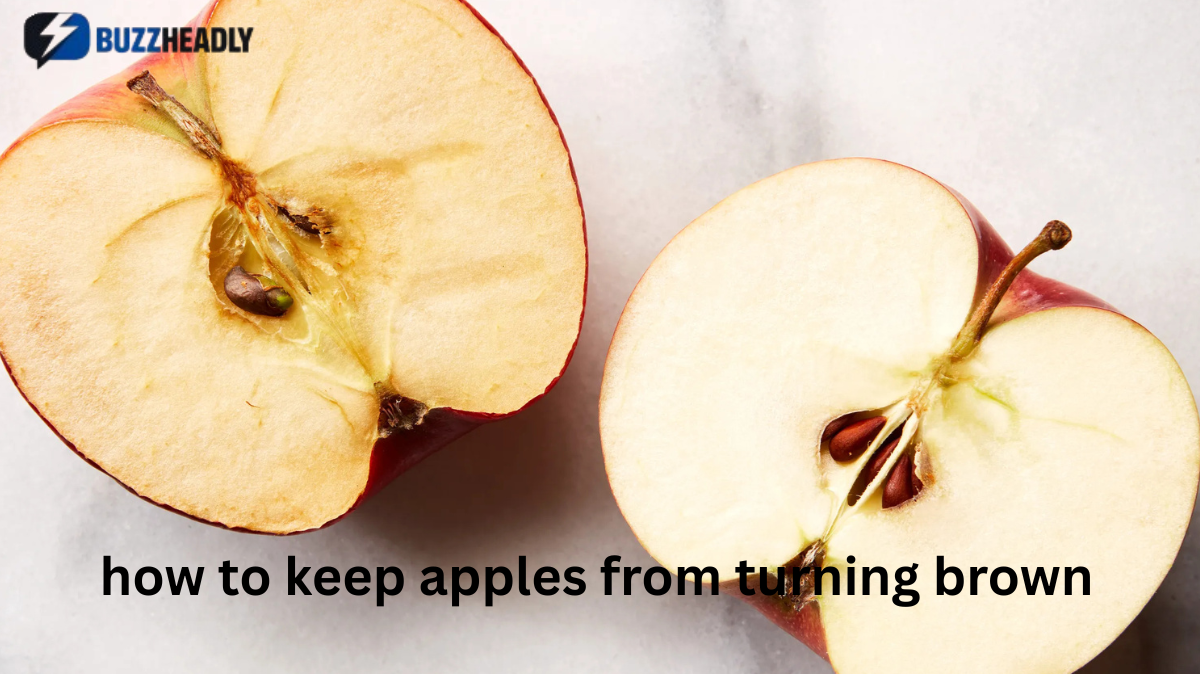

Few things are more disappointing than slicing a fresh, crisp apple only to find it turning brown before lunch, snack time, or dinner prep. Whether you’re packing school lunches, preparing a fruit salad, or meal-prepping snacks for the week, knowing how to keep apples from turning brown after cutting can save both food and frustration.
The good news is that browned apples are usually still safe to eat. The color change happens because of oxidation — a natural reaction between the apple’s enzymes and oxygen in the air. Still, brown slices look less appetizing, especially in lunch boxes, salads, or party trays.
I learned this the hard way after prepping apples the night before for a family road trip. By morning, the slices looked dull and dry even though they tasted fine. After testing several methods over time, some common tricks worked surprisingly well while others barely slowed the browning at all.
In this guide, you’ll learn practical, real-life methods for how to keep apples from turning brown when sliced, including simple kitchen ingredients, lunch-friendly tricks, storage tips, and a few lesser-known techniques that actually make a difference.
Why Apples Turn Brown So Quickly
When an apple is cut or peeled, its cells break open and release an enzyme called polyphenol oxidase. Once that enzyme meets oxygen, the apple surface begins to brown.
This reaction happens faster when:
- Apples are exposed to warm air
- Slices are very thin
- The apple variety has high enzyme activity
- The fruit is bruised or overripe
Some apple types brown faster than others. For example:
- Granny Smith apples stay fresh longer
- Honeycrisp apples brown more slowly
- Red Delicious apples tend to brown quickly
Understanding this helps when deciding how to keep apples from turning brown once cut for different uses.
The Best Ways to Keep Apples From Turning Brown
Use Lemon Juice
One of the most effective methods for how to keep apples from turning brown with lemon juice is also the simplest.
The acid in lemon juice slows oxidation naturally.
How to do it
- Mix 1 tablespoon lemon juice with 1 cup cold water
- Soak apple slices for 3–5 minutes
- Drain and dry lightly
This works especially well for:
- Lunch boxes
- Fruit trays
- Apples stored overnight
The downside is that too much lemon can slightly change the flavor. Using diluted juice prevents apples from tasting overly sour.
Use Honey Water (A Surprisingly Effective Trick)
Many people search for how to keep apples from turning brown with honey, and it genuinely works.
Honey contains compounds that slow the enzyme reaction responsible for browning.
Simple honey solution
- 1 tablespoon honey
- 1 cup water
Soak slices for 30 seconds to 1 minute.
This method keeps apples fresher-looking without adding a strong citrus taste.
Unique insight:
Honey water often works better than plain lemon juice for sweeter apple varieties because it preserves flavor balance while still slowing oxidation.
That’s especially useful in kid lunches where children may reject tart-tasting apples.
How to Keep Apples From Turning Brown Overnight
If you need apples ready for the next day, proper storage matters just as much as the anti-browning method.
For how to keep apples from turning brown overnight, combine these steps:
Best overnight method
- Treat slices with lemon or honey water
- Pat dry gently
- Store in an airtight container
- Remove as much air as possible
- Refrigerate immediately
Cold temperatures slow oxidation significantly.
Practical tip:
A container packed too loosely allows extra oxygen inside. Filling the container almost completely helps apples stay fresher longer.
How to Keep Apples From Turning Brown in Lunch Box
Parents often struggle with how to keep apples from turning brown in lunch box situations because sliced apples may sit for hours before being eaten.
Best school-lunch approach
- Use honey water or diluted lemon water
- Store slices in a sealed container
- Keep apples cold until leaving home
Another trick that works well
Rubber-band the apple back together after slicing.
Here’s how:
- Cut the apple into wedges
- Reassemble it into its original shape
- Secure with a rubber band
Because less flesh is exposed to air, browning slows naturally.
This method is especially helpful for picky eaters who dislike “wet” treated apple slices.
How to Keep Apples From Turning Brown Without Lemon Juice
Not everyone likes lemon flavor, and sometimes you simply don’t have lemons available.
If you’re wondering how to keep apples from turning brown without lemon juice, here are several effective alternatives:
Salt water
A mild salt solution works surprisingly well.
Method:
- 1/2 teaspoon salt
- 1 cup water
Soak for 3–5 minutes, then rinse lightly.
This is one of the easiest solutions for how to keep apples from turning brown salt water methods.
Pineapple juice
Natural acids help slow browning while adding sweetness.
Orange juice
Works similarly to lemon but tastes milder.
Sprite or lemon-lime soda
The citric acid can temporarily protect apples, though this method adds sweetness.
How to Keep Apples From Turning Brown in Fruit Salad
Fruit salads present a bigger challenge because apples sit beside juicy fruits that release moisture.
For how to keep apples from turning brown in fruit salad, timing matters.
Best strategy
- Cut apples last
- Toss them in citrus juice first
- Add apples immediately before serving when possible
Important insight:
Watery fruits like watermelon can dilute protective acids over time, causing apples to brown faster again after several hours.
To avoid this:
- Store dressing separately
- Add apples closer to serving time
How to Keep Apples From Turning Brown in Salad
If you’re making green salads with apples, texture matters as much as color.
For how to keep apples from turning brown in salad, avoid soaking too long. Excess moisture can soften the slices.
Better approach
Lightly coat slices with:
- Lemon juice spray
- Apple cider vinegar mixture
- Citrus vinaigrette
This keeps the apples crisp while slowing browning.
How to Keep Apples From Turning Brown After Peeling
Whole peeled apples brown even faster than slices because more surface area is exposed.
For how to keep apples from turning brown after peeling, try:
- Wrapping tightly in plastic wrap
- Refrigerating immediately
- Brushing with diluted citrus juice
Lesser-known trick:
Storing peeled apples submerged in cold water for short periods can help preserve color temporarily. However, more than a few hours may reduce crispness.
How to Keep Apples From Turning Brown After Slicing
When preparing snack trays or party platters, presentation matters.
For how to keep apples from turning brown after slicing, follow these best practices:
Do:
- Slice apples shortly before serving
- Use sharp knives to reduce bruising
- Refrigerate promptly
- Keep slices thick when possible
Avoid:
- Leaving slices uncovered
- Using warm water treatments
- Storing near bananas, which release ethylene gas and speed ripening
That last point is rarely discussed, but it genuinely affects freshness during storage.
Best Apple Varieties for Slow Browning
Some apples naturally resist oxidation better than others.
Good options:
- Granny Smith
- Pink Lady
- Honeycrisp
- Cosmic Crisp
- Empire
Faster browning varieties:
- Red Delicious
- McIntosh
- Fuji
If appearance matters, choosing the right apple can reduce the need for extra treatments.
How to Keep Apples From Turning Brown Science Experiment
Teachers and parents often look for how to keep apples from turning brown science experiment ideas for kids.
This topic makes an excellent hands-on experiment because results are easy to observe.
Simple experiment setup
Test different apple slices with:
- Lemon juice
- Salt water
- Honey water
- Plain water
- No treatment
Observe:
- Color changes
- Texture
- Smell
- Browning speed over time
Educational insight:
Students quickly learn that oxidation is a chemical reaction influenced by acids, temperature, and oxygen exposure.
Photographing slices every hour creates a strong visual comparison.
Common Mistakes That Make Apples Brown Faster
Storing warm apples
Always refrigerate cut apples quickly.
Using too much liquid
Over-soaking can make slices mushy.
Leaving air inside containers
Oxygen exposure speeds browning dramatically.
Cutting apples too early
Even treated apples look best when prepared closer to serving time.
Using dull knives
Bruised tissue oxidizes faster.
Which Method Works Best?
Here’s a realistic comparison based on everyday use:
| Method | Best For | Flavor Impact | Browning Protection |
|---|---|---|---|
| Lemon juice | Overnight storage | Mild citrus | Excellent |
| Honey water | Kids’ lunches | Slight sweetness | Excellent |
| Salt water | Quick prep | Minimal if rinsed | Very good |
| Airtight storage | Meal prep | None | Good |
| Reassembled apple | Lunch boxes | None | Moderate |
FAQ
How do you keep apples from turning brown after cutting them?
The easiest way is to coat slices with diluted lemon juice or honey water and store them in an airtight container. Refrigeration also slows oxidation. Keeping air exposure minimal makes a big difference.
How to keep apples from turning brown when cut for school lunches?
Honey water is one of the best options because it prevents browning without making apples sour. Store slices in a sealed container and keep them cold until lunchtime if possible.
Does salt water really stop apples from browning?
Yes, a mild salt water soak can slow oxidation effectively. Use only a small amount of salt and rinse slices lightly afterward to avoid affecting flavor.
How long do cut apples stay fresh in the refrigerator?
Properly treated apple slices usually stay fresh-looking for 24 hours, sometimes longer depending on the apple variety and storage method. Texture may soften slightly after extended storage.
Can you keep apples from turning brown in fruit salad?
Yes. Toss apples in citrus juice before mixing them into the salad. Adding apples shortly before serving also helps preserve their appearance and texture.
Why do some apples brown faster than others?
Different apple varieties contain varying levels of enzymes and natural acids. Some apples, like Granny Smith and Honeycrisp, naturally resist browning longer than softer varieties.
Conclusion
Learning how to keep apples from turning brown after cutting is mostly about slowing oxidation and limiting air exposure. Simple kitchen ingredients like lemon juice, honey water, or even mild salt water can dramatically improve how long apple slices stay fresh-looking.
The best method depends on how you plan to use the apples. Honey water works wonderfully for lunch boxes, lemon juice is ideal for overnight storage, and airtight containers help in nearly every situation.
Small details also matter more than most people realize — using a sharp knife, choosing slower-browning apple varieties, and avoiding excess air in containers can noticeably extend freshness.
Once you find the method that fits your routine, preparing apples ahead of time becomes much easier and far less wasteful.